
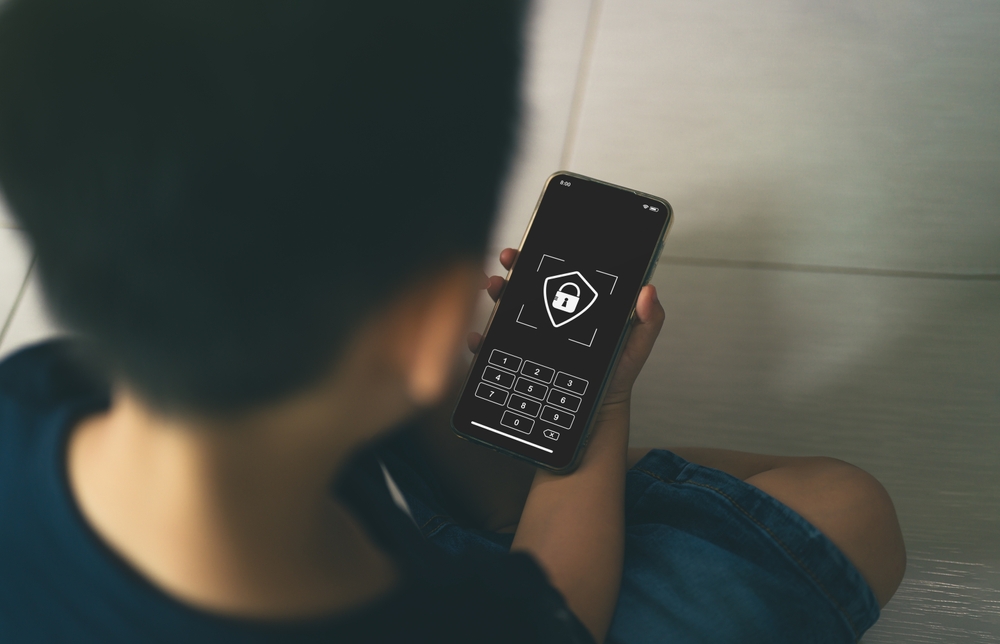
Password protection is one of the most significant factors to consider when setting up online accounts for children. With huge companies like Microsoft, Coca Cola and LinkedIn all being hacked in recent years, cybersecurity is more important than ever before. Vulnerable passwords, forgotten accounts and lax digital habits all put children at risk of being hacked.
Those familiar with password management – like senior IT professional Peter Cooper, Broadcom Commercial & Enterprise Markets and Managed Partners Europe leader from February 2021 to April 2025 – often cite it as the most important digital protective step. Studies have found that children have an average of two passwords and they understand the importance of using and remembering them. However, greater cybersecurity education is necessary to protect them as their lives become more entwined with the internet.
Taking simple steps – such as not sharing passwords with friends, signing out after computer use and using different, unrelated passwords for separate accounts – all improve cybersecurity. Children are more vulnerable to password-breach attempts, especially when they’re active on social media and other online networking forums, so they must take responsibility for their safety.
It is up to parents and other responsible adults to develop effective online strategies that will keep children safe and shielded on the internet. Everything from the length and complexity of a password to how often it’s reused impacts its security, yet even adults disregard these factors.
To create a strong password:
- Include a mix of letters, numbers and symbols
- Use at least eight characters
- Avoid names and personal dates
- Add a capital letter
- Make it memorable but not easily guessed
These rules are easy for even young children to grasp and can be taught in school. Allowing children to feel responsible encourages them to improve their cybersecurity, as does stressing the dangers of weak or leaked passwords. Children who understand the dangers of posting personal information online are usually less likely to share their passwords, improving both their cybersecurity and their digital activities.
To continue improving children’s cybersecurity, parents must remain as involved as possible. They should know young children’s passwords to monitor their online activity and ensure they remain secure. If a password is compromised, parents can respond quickly and evade the cybersecurity dangers that threaten children.
Children in the UK are at high risk of encountering hacking, cyber threats and online predators, so password protection is more of a defence than a precaution. Strong, unshared and unguessable passwords are the first step towards deflecting digital dangers and keeping children safe online.