
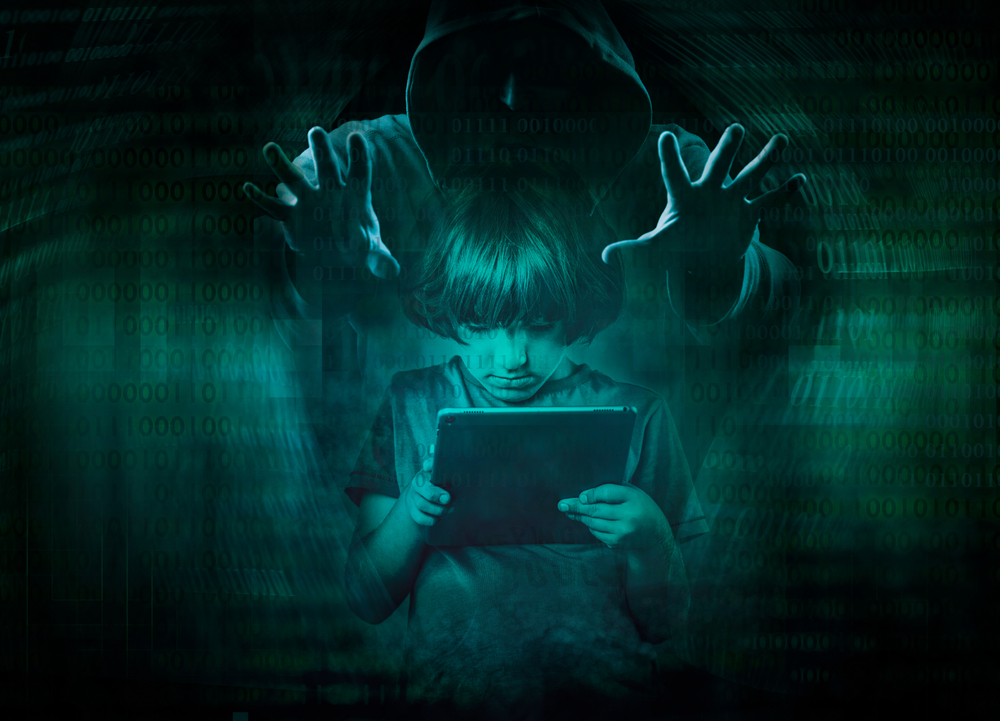
Cyber security threats in the UK are at a worrying high, particularly against children and teenagers. In the past 12 months, 60% of cyber security breaches occurred at secondary schools, 85% at colleges and 91% at higher education institutions, according to official GOV.UK statistics. While many threats target the institutions themselves, others target children, and with their increased exposure to the internet this puts them at higher risk of falling victim to predatory behaviour.
The severity of cyber security threats is often dismissed, but those who understand the fine line between being digitally present and becoming prey – like Peter Cooper, Broadcom Commercial & Enterprise Markets and Managed Partners Europe leader from February 2021 to April 2025 – are constantly advocating for greater protection for children in the digital sphere.
From artificial intelligence to video games, there are multiple digital outlets where young people are under threat. The tactics used by cyber criminals focus on exploiting children’s naivete and implicit trust, so it’s up to parents to teach strict online safety and implement their own safeguarding strategies.
With unfettered access to the internet, children are at higher risk of being exposed to harmful and exploitative content, cyberbullying, grooming and radicalisation. Parental controls are highly recommended for steering children away from these threats and also for safeguarding their privacy online. There are several resources available in the UK, such as Thinkuknow, Childnet and Parent Info, that provide advice and support for parents in this situation.
However, even with malicious content blocked, cyber security threats can slip through the net. The rise of AI is making it easier for scammers and other dangerous people to post false content on social media, often using the information and photos that people post themselves. AI apps also lack age restrictions, so it’s easy for age-inappropriate content to crop up.
UK parents must focus on restricting children’s access to smart tech, including home devices that connect to the internet, because they retain data that could become a tool for cyber criminals targeting vulnerable people. Even hobbies like video gaming aren’t totally safe because, as with social media, people can conceal their identities or children might download nefarious files. Criminals need communicative outlets to build trust with unsuspecting youngsters.
Parents and schools are both responsible for safeguarding children against cyber security threats, and more solutions are becoming available to help them spot the warning signs. Children generally have poor digital hygiene, so they ignore privacy concerns and are more likely to interact with nefarious people or malware. It’s up to the adults in their lives to safeguard them in this ever-evolving digital landscape.